Archives
- 2026-08
- 2026-07
- 2026-06
- 2026-05
- 2026-04
- 2026-03
- 2026-02
- 2026-01
- 2025-12
- 2025-11
- 2025-10
- 2025-09
- 2025-03
- 2025-02
- 2025-01
- 2024-12
- 2024-11
- 2024-10
- 2024-09
- 2024-08
- 2024-07
- 2024-06
- 2024-05
- 2024-04
- 2024-03
- 2024-02
- 2024-01
- 2023-12
- 2023-11
- 2023-10
- 2023-09
- 2023-08
- 2023-07
- 2023-06
- 2023-05
- 2023-04
- 2023-03
- 2023-02
- 2023-01
- 2022-12
- 2022-11
- 2022-10
- 2022-09
- 2022-08
- 2022-07
- 2022-06
- 2022-05
- 2022-04
- 2022-03
- 2022-02
- 2022-01
- 2021-12
- 2021-11
- 2021-10
- 2021-09
- 2021-08
- 2021-07
- 2021-06
- 2021-05
- 2021-04
- 2021-03
- 2021-02
- 2021-01
- 2020-12
- 2020-11
- 2020-10
- 2020-09
- 2020-08
- 2020-07
- 2020-06
- 2020-05
- 2020-04
- 2020-03
- 2020-02
- 2020-01
- 2019-12
- 2019-11
- 2019-10
- 2019-09
- 2019-08
- 2019-07
- 2019-06
- 2019-05
- 2019-04
- 2018-07
-
protein phosphatase In these experiments recordings were
2024-07-25
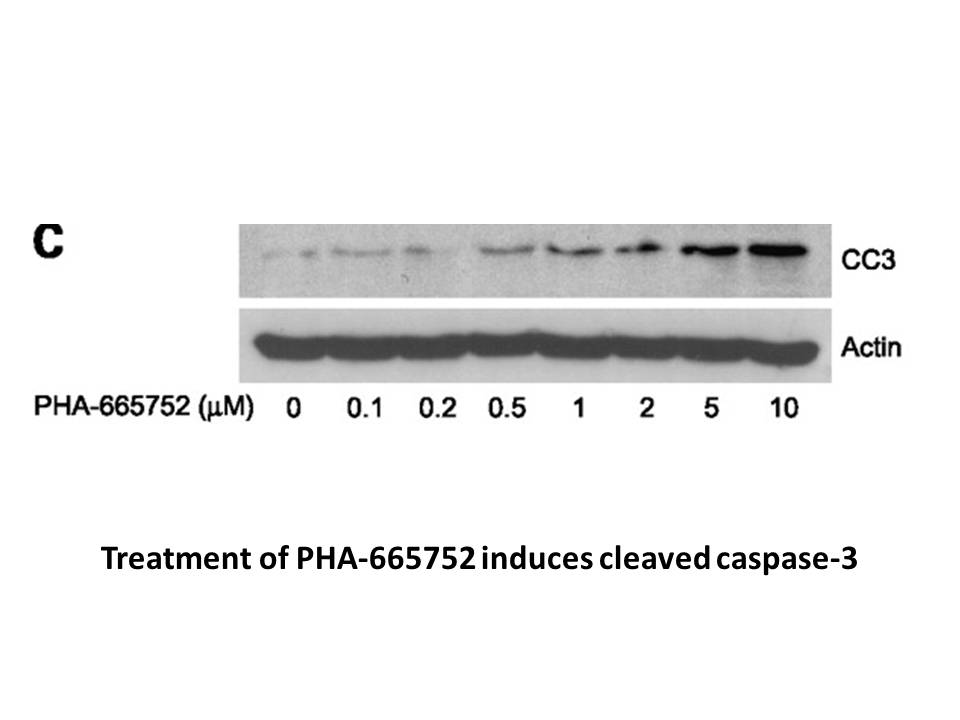
In these experiments, recordings were performed continuously in the homecage and during the first 5 days of training on a randomized forced alternation T-maze working memory task (Figures 1A, 1B, 3A, and 3B) (Kucewicz et al., 2011). Sleep and wake states were determined by simultaneous recording of
-
Caffeic acid dihydroxycinnamic acid is a natural compound
2024-07-25
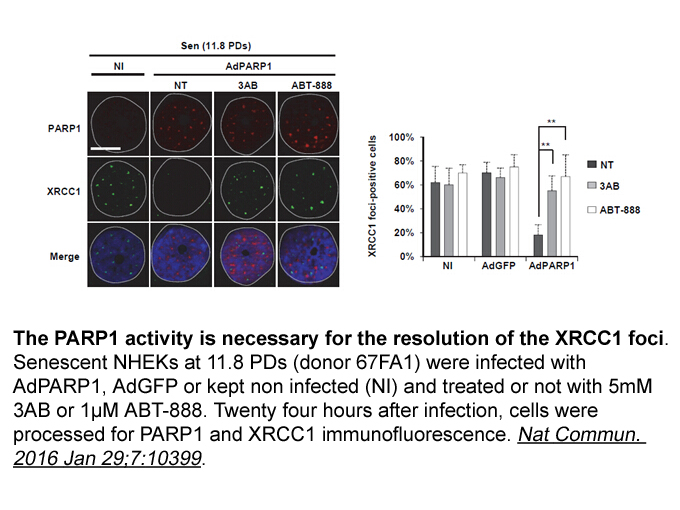
Caffeic XCT790 (3,4-dihydroxycinnamic acid) is a natural compound that inhibits 5-LO and exerts potent anti-inflammatory and antioxidant properties. Recently, Takeda et al. reported that caffeic acid provided neuroprotective and anti-depressive activities [23]. Sertraline, a selective serotonin reu
-
The overall adjustment the non toxicity and the addiction
2024-07-25
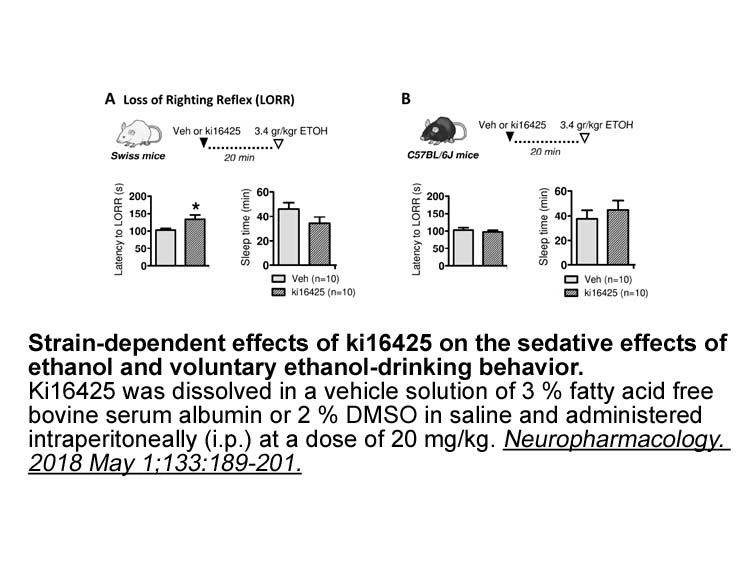
The overall adjustment, the non-toxicity and the addiction-free treatment methods are the advantages of EA. EA treatment for depression has achieved great clinical effect in recent years (Dong et al., 2017). The clinical practice guideline of the American college of physicians (ACP) have pointed out
-
A rational approach for the design of new steroid compounds
2024-07-25
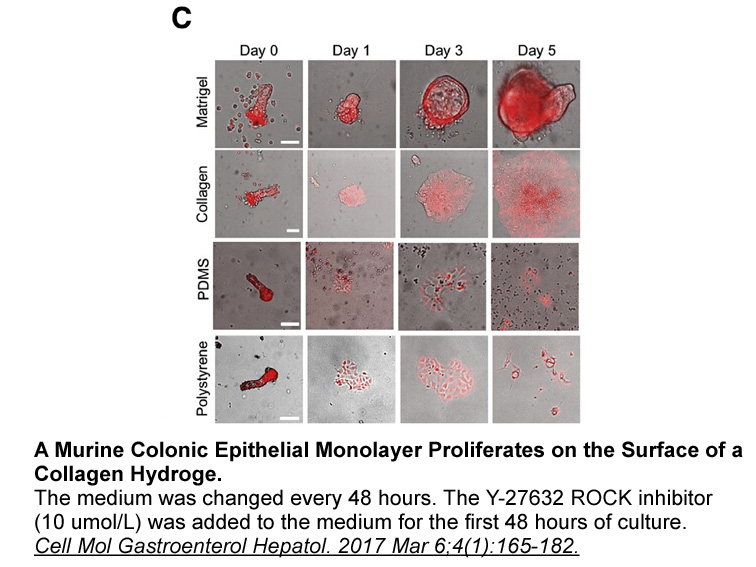
A rational approach for the design of new steroid compounds as possible competitive inhibitors of CYP17 include chemical modification at C17 of the enzyme's natural substrates, pregnenolone (1) and progesterone (2), introducing groups with moderate to strong dipole properties at C20, such as oxime
-
A variety of quinazoline or
2024-07-25
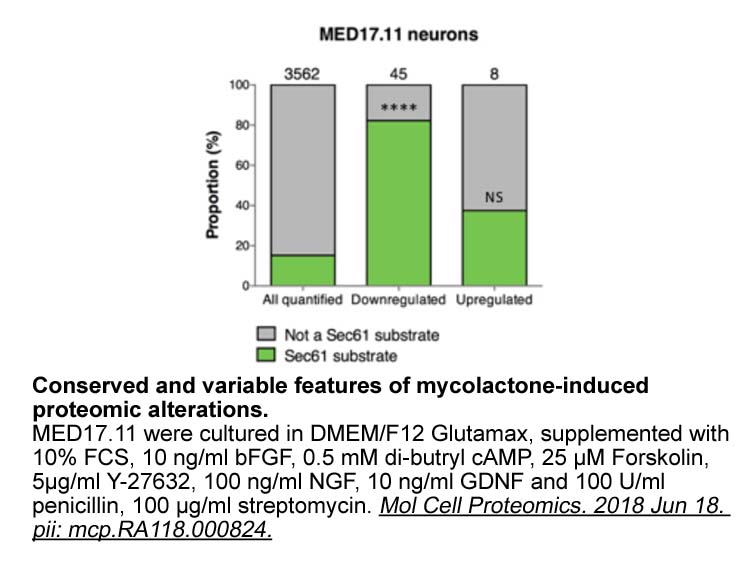
A variety of quinazoline or fused pyrimidine-substituted diaminotriazoles showed sub-100nM inhibition of Axl (). Diaminotriazoles similarly substituted with quinolines, isoquinolines and benzothiazoles also showed potent Axl activity (data not shown), but generally exhibited potent cytotoxicity and
-
Autophagy is a highly conservative intracellular bulk
2024-07-25
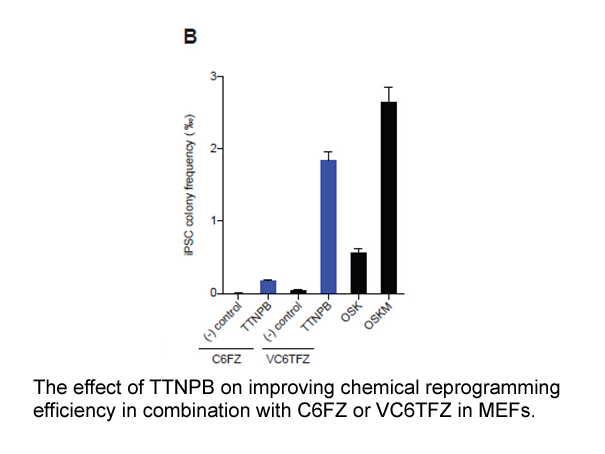
Autophagy is a highly conservative intracellular bulk degradation process including three major forms namely microautophagy, chaperone-mediated autophagy and macroautophagy. A large number of evidence has depicted a pivotal role for autophagy in the maintenance of cardiac geometry and contractile fu
-
Endoplasmic reticulum ER stress resulting from accumulation
2024-07-25
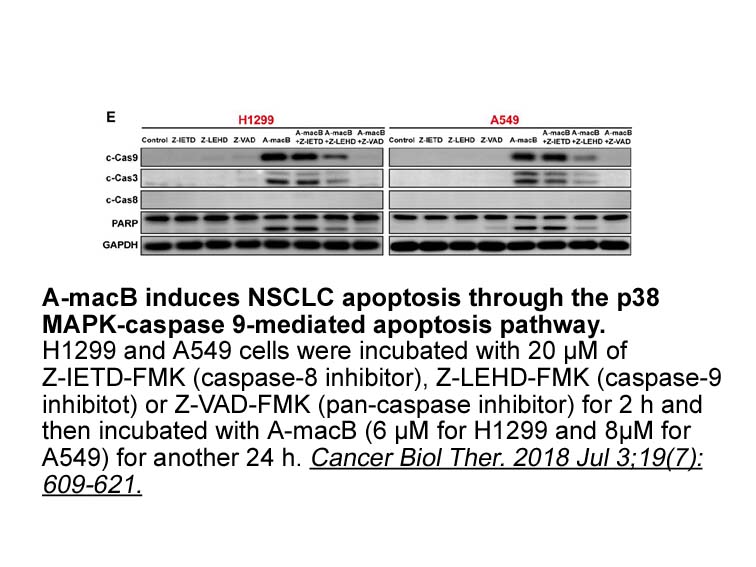
Endoplasmic reticulum (ER) stress resulting from accumulation of misfolded proteins in ER lumen stimulates a chain of adaptive responses termed as the unfolded protein response (UPR). Glucose related protein (GRP78/BiP), key ER chaperone essential for the activation of the ER-transmembrane signaling
-
HOBt Aurora kinases were initially identified as protein
2024-07-25
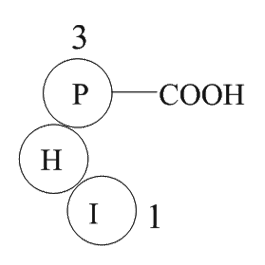
Aurora kinases were initially identified as protein kinases essential for error-free chromosome segregation during mitosis and meiosis. Aurora A appears to control premetaphase events, such as bipolar spindle assembly 3, 4, with Aurora B and C directing metaphase and postmetaphase events, including
-
Although TP status has been shown to play
2024-07-25
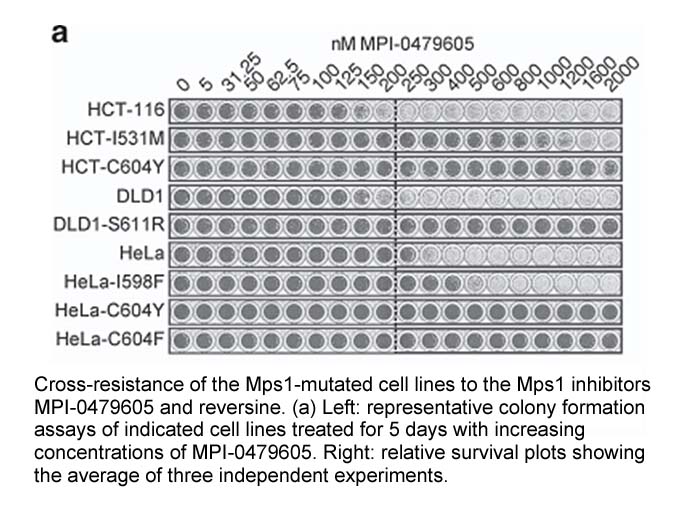
Although TP53 status has been shown to play a role in ATR inhibition and platinum resistance [7], [27], [38], in inhibition of ATM and sensitivity to IR [39], and in the activation of Chk1 and Chk2 [3], [4], ATM and ATR signaling can occur through the p38MAPK/MK2 pathway in p53-deficient UNC1999 [40
-
br Abbreviations br Acknowledgements This work was
2024-07-25
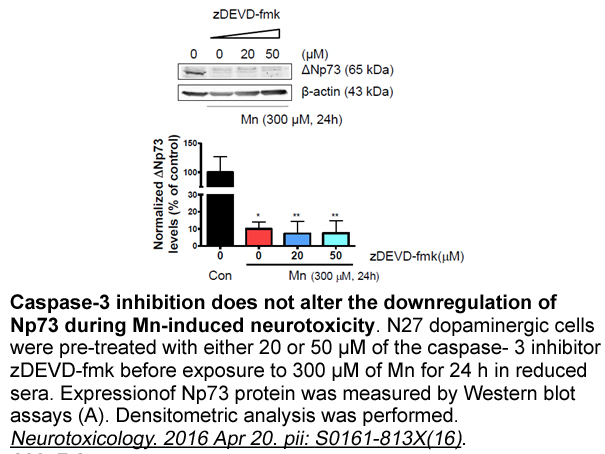
Abbreviations Acknowledgements This work was supported by grants from the National Institutes of Health (R01GM114168) and the Office of Naval Research (N000141210773) awarded to J.C·H and National Cancer Institute (5P30CA16059) Cancer Center Support Grant in support of Massey Cancer Center Pro
-
The previous reports studied only the apoptosis
2024-07-25
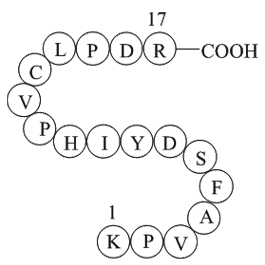
The previous reports studied only the apoptosis process in a single cell. In our case we generalized these models inspired by the results of Albeck et al. (2008) and Raychaudhuri et al. (2008), to study the apoptosis cell death after photodynamic therapy in those areas of the tumor that are not expo
-
Recently dairy proteins obtained from whey have received con
2024-07-25
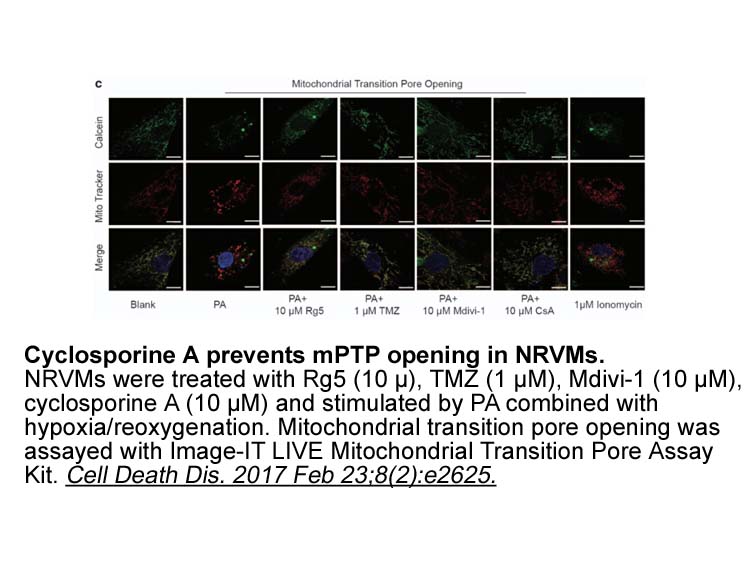
Recently, dairy proteins obtained from whey have received considerable attention for their antioxidant bioactivity (Bayram et al., 2008; Haraguchi et al., 2011; Zhang et al., 2012). Bovine whey proteins (WP) are widely used in various foods for their nutritional, health-promoting, and functional val
-
The proinflammatory cytokines and chemokines including IL TN
2024-07-25
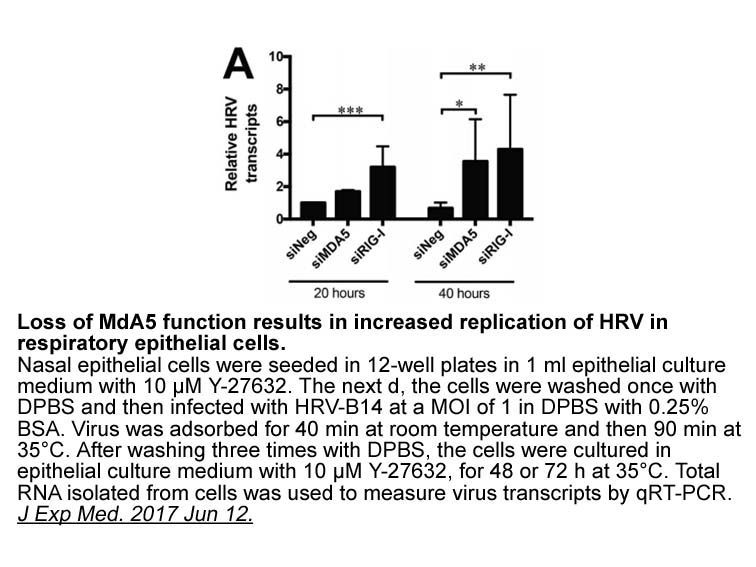
The proinflammatory cytokines and chemokines, including IL-1β, TNF-α and MCP-1, mediate acute and chronic inflammation and play a role in the development of hypertension [2, [51], [52], [53]], cardiovascular diseases [4, 54] and renal injury [55, 56] in animal models and humans. Concerning the possi
-
Based on structure activity relationship of several SARM
2024-07-25
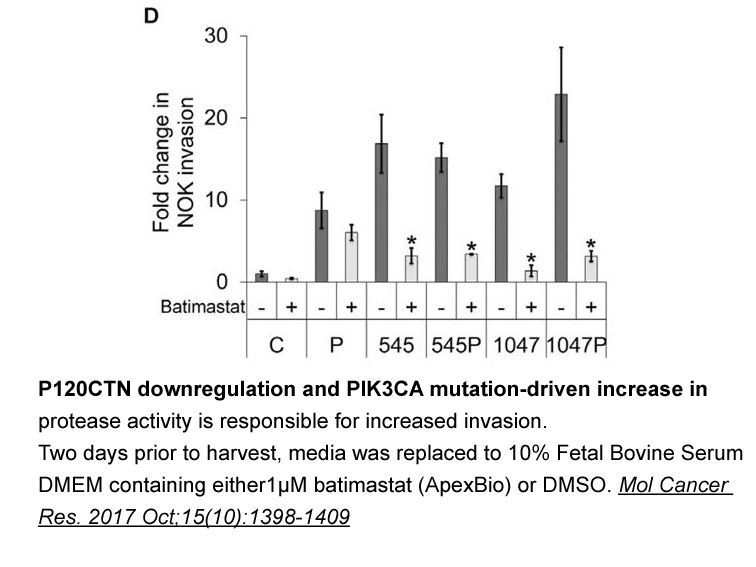
Based on structure activity relationship of several SARM templates, Ligand Pharmaceuticals chose LGD2226 as their first clinical candidate (Miner et al., 2007). Although LGD2226 demonstrated myo- and osteo-anabolic activity and maintenance of sexual function in various preclinical models, the develo
-
In this study using pure
2024-07-24
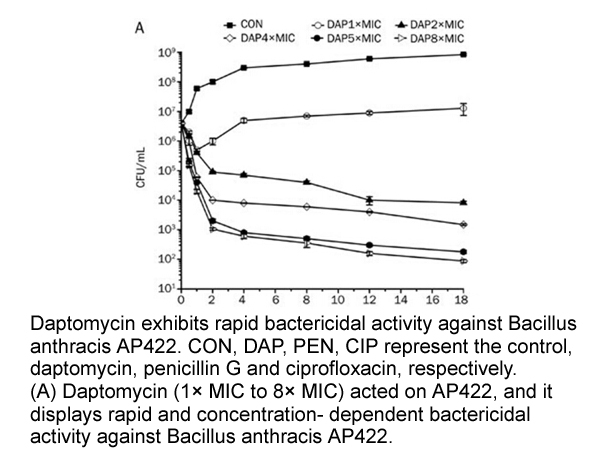
In this study, using pure enzyme preparations of human placental recombinant AR (hAR) and of AR isolated from bovine lens (bAR), which behave as Michaelis KC7F2 with glyceraldehyde as substrate, is shown that an apparent negative cooperativity action for glucose still occurs. We present evidence for
16367 records 137/1092 page Previous Next First page 上5页 136137138139140 下5页 Last page