Archives
- 2026-08
- 2026-07
- 2026-06
- 2026-05
- 2026-04
- 2026-03
- 2026-02
- 2026-01
- 2025-12
- 2025-11
- 2025-10
- 2025-09
- 2025-03
- 2025-02
- 2025-01
- 2024-12
- 2024-11
- 2024-10
- 2024-09
- 2024-08
- 2024-07
- 2024-06
- 2024-05
- 2024-04
- 2024-03
- 2024-02
- 2024-01
- 2023-12
- 2023-11
- 2023-10
- 2023-09
- 2023-08
- 2023-07
- 2023-06
- 2023-05
- 2023-04
- 2023-03
- 2023-02
- 2023-01
- 2022-12
- 2022-11
- 2022-10
- 2022-09
- 2022-08
- 2022-07
- 2022-06
- 2022-05
- 2022-04
- 2022-03
- 2022-02
- 2022-01
- 2021-12
- 2021-11
- 2021-10
- 2021-09
- 2021-08
- 2021-07
- 2021-06
- 2021-05
- 2021-04
- 2021-03
- 2021-02
- 2021-01
- 2020-12
- 2020-11
- 2020-10
- 2020-09
- 2020-08
- 2020-07
- 2020-06
- 2020-05
- 2020-04
- 2020-03
- 2020-02
- 2020-01
- 2019-12
- 2019-11
- 2019-10
- 2019-09
- 2019-08
- 2019-07
- 2019-06
- 2019-05
- 2019-04
- 2018-07
-
Since the first studies of
2024-06-07
Since the first studies of betaine aldehyde oxidation in rats [13], the participation of betaine in the detoxification of homocysteine has well described, considering the activity of other Iodophenpropit dihydrobromide sale as betaine homocysteine methyltransferase and methionine synthase. But, ther
-
Overexpression of SMAD and SMAD strongly
2024-06-07
Overexpression of SMAD3 and SMAD4 strongly enhanced luciferase activity of the new pN10 reporter gene construct which was further reinforced by addition of TGFβ. Serial mutations of SBE-1 and SBE-2 led to a slight loss in 5-LO promoter inducibility. The data demonstrate that the two SBEs within the
-
br Acknowledgements This work was supported by the FedEx
2024-06-07
Acknowledgements This work was supported by the FedEx Institute of Technology at The University of Memphis (to DLB and ALP), NSF REU CHE 1156738 (to ALP in support of RSS), and NIHCA921060 (to GT). This material is based upon work supported by the National Science Foundation under Grant No. CHE-1
-
AT-101 The first description of autophagy as a tumour suppre
2024-06-07
The first description of autophagy as a tumour suppression process arises from the observation that the initial step regulatory gene, Atg6/BECN1, was monoallelically lost in 40% to 75% of human prostate, breast, and ovarian cancers [31]. However, while BECN1 heterozygous mutant mice develop, with lo
-
The tumor suppressor function of
2024-06-07

The tumor-suppressor function of 15-LOX-2 in normal prostate epithelial cells may be explained by the induction of replicative senescence [14,15]. Thus, 15-LOX-2 is overexpressed in age-dependent prostatic hyperplasia, but cell senescence may hinder progression to malignant transformation. Notwithst
-
The enzyme Arginase ARG plays a role in the
2024-06-07
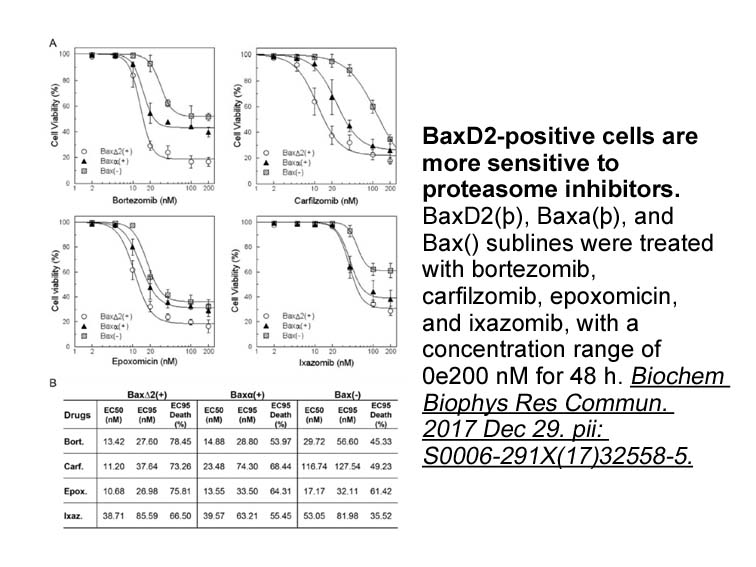
The enzyme Arginase 1 (ARG1) plays a role in the hepatic urea cycle by hydrolyzing L-arginine to L-ornithine and urea [13]. In the context of macrophages and MDSCs, ARG1 expression redirects L-arginine metabolism to abolish cytotoxic nitric oxide production [14], suppress T-cell function [15], [16],
-
Under some pathological conditions AT R internalization is
2024-06-06
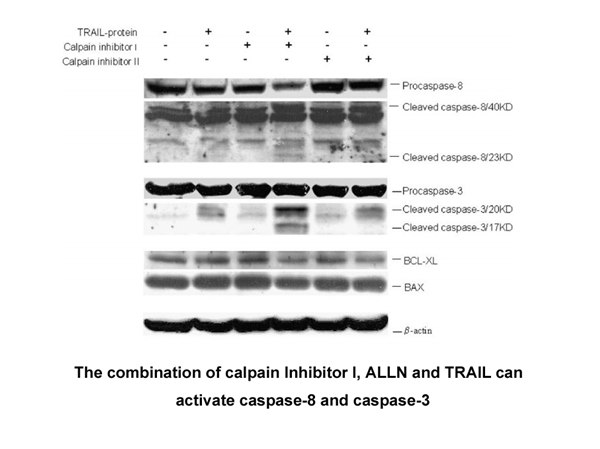
Under some pathological conditions, AT1R internalization is decreased when agonist exposure is prolonged. This weakens or removes the AT1R desensitization effect and leads to AT1R and downstream signal overactivation. AT1R overactivation can result in continued biological effects such as sustained v
-
br Prostate cancer and resistance to
2024-06-06
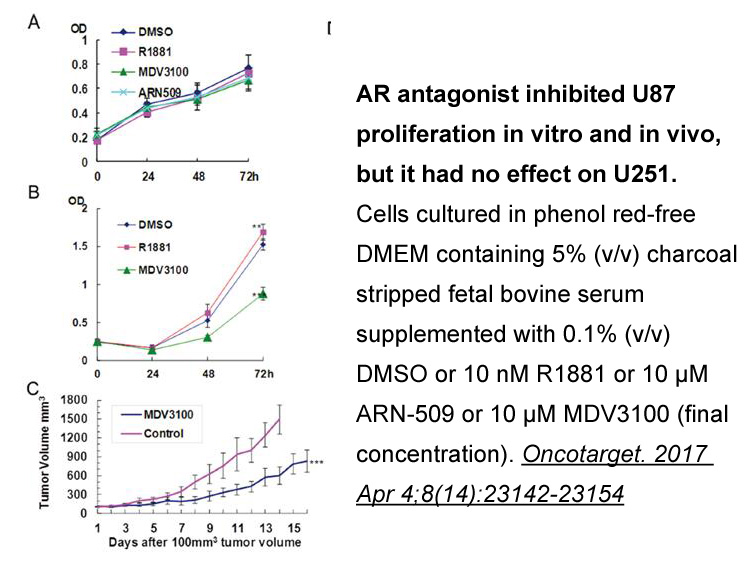
Prostate cancer and resistance to AR targeting treatment The AR plays a pivotal role in the development, differentiation, homeostasis and secretory function of the normal prostate (Wilson, 2011). The AR is also a key player in many phases of prostate carcinogenesis (Huggins et al., 1941, Scher an
-
Intracellular Signaling Cascades From ligand sensitization t
2024-06-06

Intracellular Signaling Cascades. From ligand sensitization to translation of genes, all cellular processes are dependent on the intracellular levels and activity of partners involved in the signaling pathway. These signaling events lead to critical post-translational modifications including phospho
-
br Conclusions br Transparency document br Acknowledgements
2024-06-06

Conclusions Transparency document Acknowledgements This work was supported by a grant from the European Commission FP6 “Neuroprion” – Network of Excellence and Royal Veterinary College Bioveterinary science research project funding. We thank Professor Alun Williams (Cambridge University) fo
-
Our present result that week old PKA mice express normal
2024-06-06
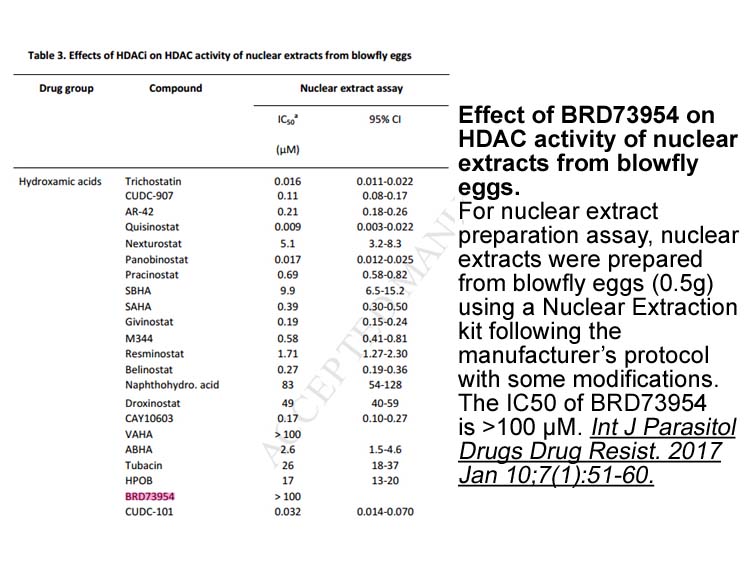
Our present result that ≤2-week-old 150ΔPKA mice express normal LTP that does not depend on CP-AMPARs also supports the collective findings of previous work showing that LTP mechanisms are remarkably adaptable in juvenile animals compared with adults. In particular, GluA1 knockout, S845A/S831A, and
-
br Conclusion br Introduction Lung cancer is the
2024-06-06
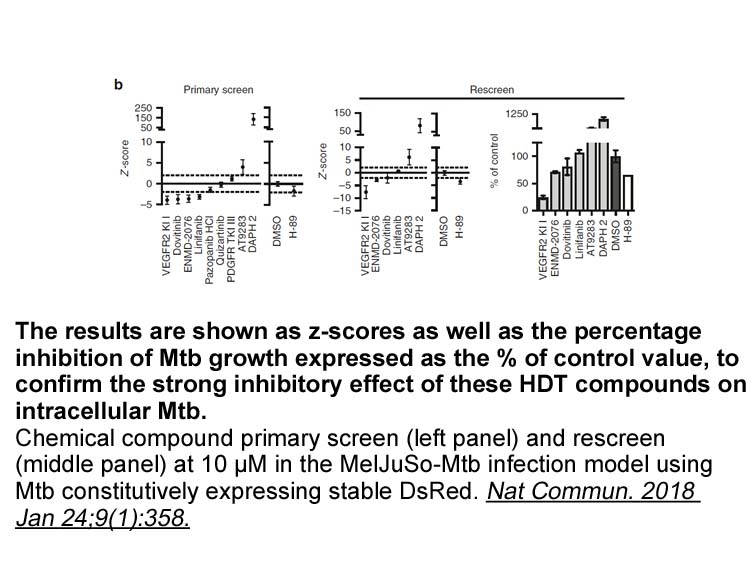
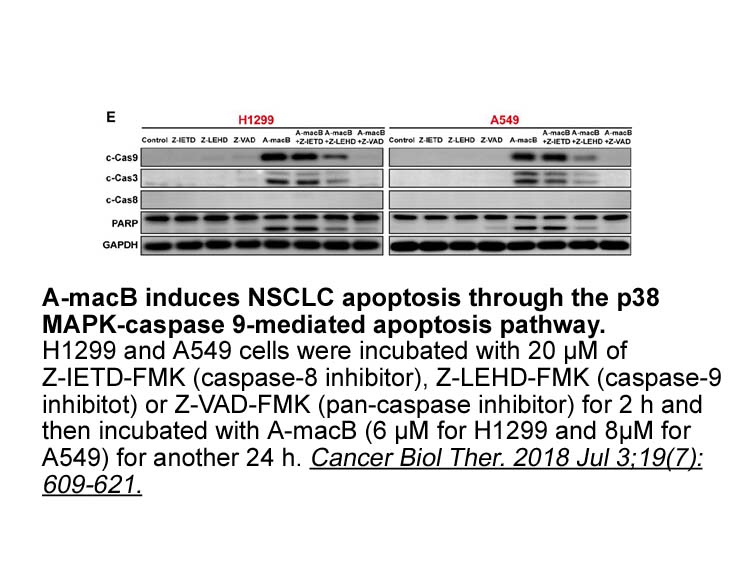
Conclusion Introduction Lung cancer is the principal cause of death by cancer and the third most common cancer worldwide (Sorber et al., 2016). Lung cancer has two main types: small cell carcinomas (approximately 20%) and non-small cell lung cancers (NSCLC) (about 80%) (Fan et al., 2016). NSC
-
In this study for the first instant
2024-06-06
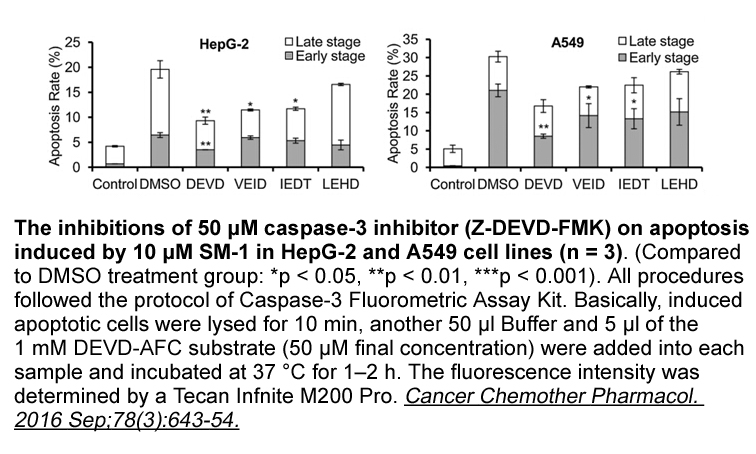
In this study, for the first instant we report the characterization, production and in silico structural analysis of BADH1 gene in B. haloduranss SMBPL06 isolated from the salt pan. Moreover, the sequence analysis of betaine aldehyde dehydrogenase from B. haloduranss SMBPL06 displayed several base s
-
br Conflict of interest br Acknowledgement This study was su
2024-06-06
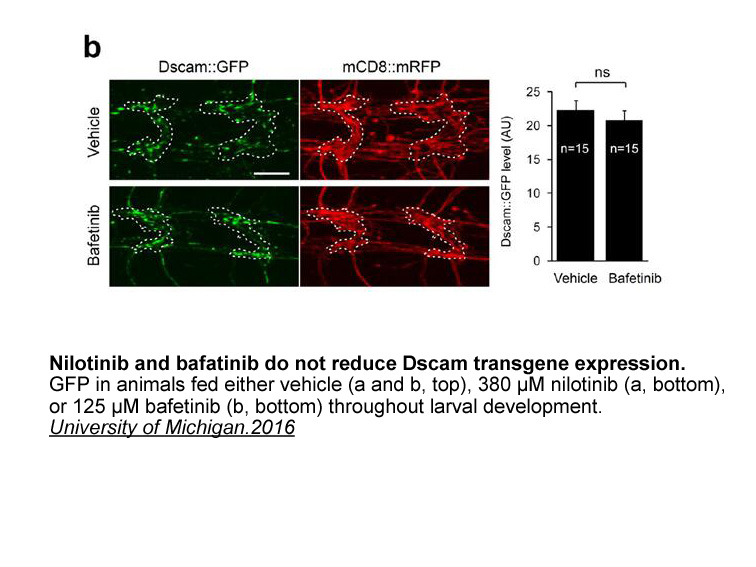
Conflict of interest Acknowledgement This study was supported by a grant from University Grants Commission - Basic Scientific Research (UGC-BSR), New Delhi, India (UGC-BSR No:F-7-115/2007). Introduction The G protein-coupled receptors activated by extracellular adenosine (Ado), called Aden
-
A more versatile cellular delivery system for adenosine
2024-06-06
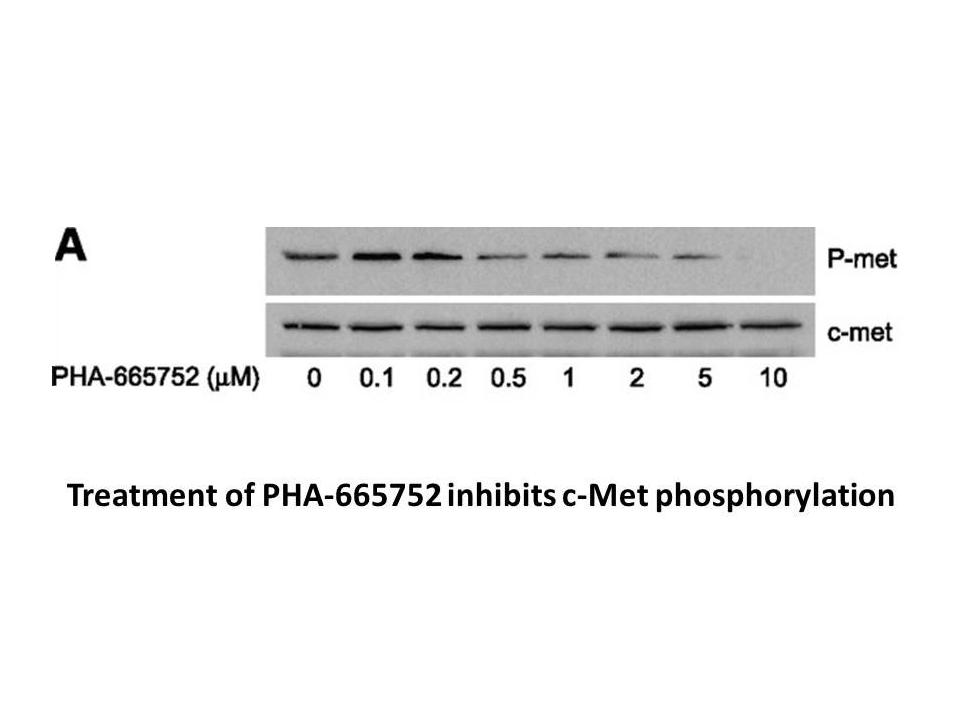
A more versatile cellular delivery system for adenosine was generated by engineering mouse embryonic stem cells to lack both Pyr3 receptor of Adk (Fedele et al., 2004). Using a step-wise differentiation protocol (Okabe et al., 1996) Adk−/− ES cells were differentiated into transplantable adenosine-
16366 records 162/1092 page Previous Next First page 上5页 161162163164165 下5页 Last page