Archives
- 2026-08
- 2026-07
- 2026-06
- 2026-05
- 2026-04
- 2026-03
- 2026-02
- 2026-01
- 2025-12
- 2025-11
- 2025-10
- 2025-09
- 2025-03
- 2025-02
- 2025-01
- 2024-12
- 2024-11
- 2024-10
- 2024-09
- 2024-08
- 2024-07
- 2024-06
- 2024-05
- 2024-04
- 2024-03
- 2024-02
- 2024-01
- 2023-12
- 2023-11
- 2023-10
- 2023-09
- 2023-08
- 2023-07
- 2023-06
- 2023-05
- 2023-04
- 2023-03
- 2023-02
- 2023-01
- 2022-12
- 2022-11
- 2022-10
- 2022-09
- 2022-08
- 2022-07
- 2022-06
- 2022-05
- 2022-04
- 2022-03
- 2022-02
- 2022-01
- 2021-12
- 2021-11
- 2021-10
- 2021-09
- 2021-08
- 2021-07
- 2021-06
- 2021-05
- 2021-04
- 2021-03
- 2021-02
- 2021-01
- 2020-12
- 2020-11
- 2020-10
- 2020-09
- 2020-08
- 2020-07
- 2020-06
- 2020-05
- 2020-04
- 2020-03
- 2020-02
- 2020-01
- 2019-12
- 2019-11
- 2019-10
- 2019-09
- 2019-08
- 2019-07
- 2019-06
- 2019-05
- 2019-04
- 2018-07
-
Considering our previous results with cfDNA in
2024-04-24
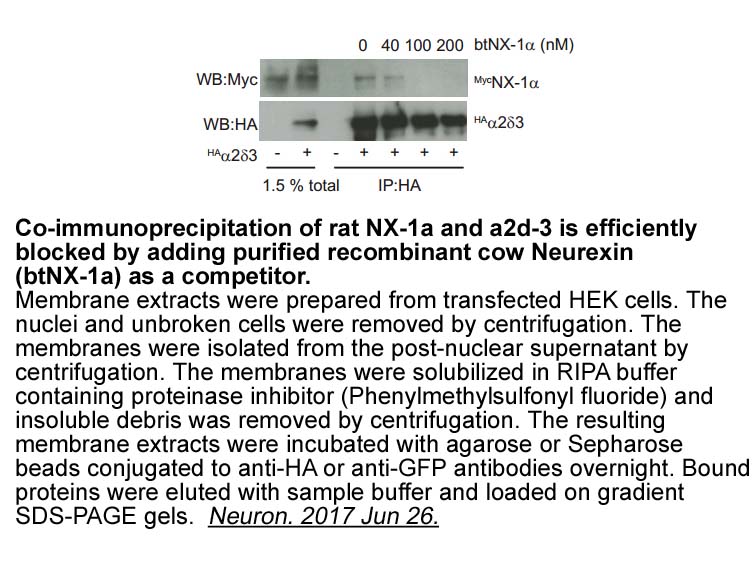
Considering our previous results with cfDNA in EGFR TKI-resistant NSCLC patients and growing evidence about different mutations in the ALK kinase domain as responsible for acquired resistance to ALK TKIs, we planned this study. Even if a next-generation sequencing approach after PD during crizotini
-
On the other hand there was
2024-04-24
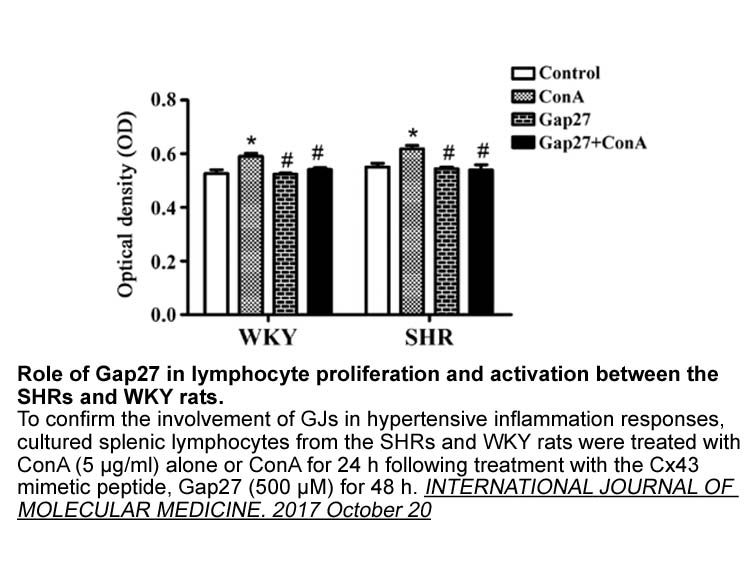
On the other hand, there was no difference in effectiveness performing ALK by FISH with regard to the sample site. When it was extracted from the primary tumor, we obtained 27.4% of not-evaluable specimens. Similar percentages were found for node (26.7%) and 796 (31.3%) samples (p = 0.903). Disc
-
In a recent series of
2024-04-24
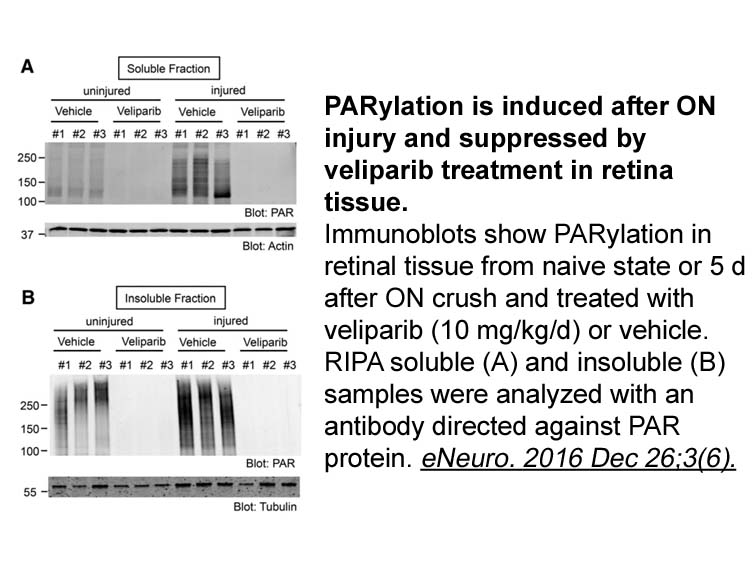
In a recent series of studies from our laboratory, to characterize the contractile systems within the rat PKC412 receptor wall, three conditions were identified that led to detrusor activity: spontaneous micro-contractions, electrical field stimulated (EFS) contractions and muscarinic agonist induc
-
acetylcholine chloride mg Moreover our results indicate that
2024-04-24
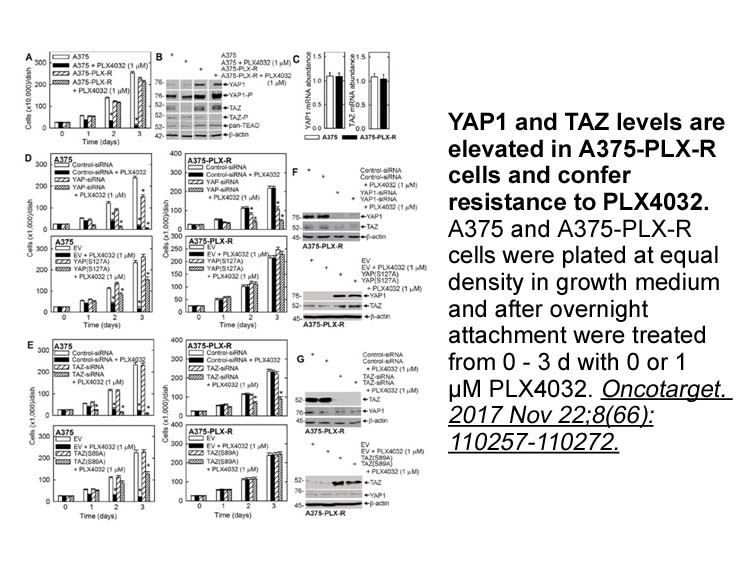
Moreover, our results indicate that ADP is by far a better phosphate donor than AMP (Table 2). Yet, the bindings of AMP and ATP are mutually exclusive, whereas the bindings of ADP and ATP are additive (Fig. 7). The multiplicity of the phosphate donors in the TgAK reaction (Tables 1 & 2), suggests th
-
Erlotinib Hydrochloride br Acknowledgements MC and PD were f
2024-04-24
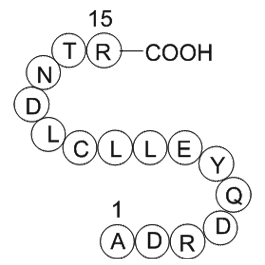
Acknowledgements MC and PD were funded by the Michael J Fox Foundation (Grant ID 9969). We would like to thank Pierluigi Saba, Francesco Traccis and Barbara Tuveri for their technical assistance. Introduction In the prostate, androgens play a crucial role in normal, BPH and cancerous growth b
-
br Funding br Introduction The interest in
2024-04-24
Funding Introduction The interest in the effects of endocrine disrupting chemicals (EDCs) in the aquatic environment continues to increase over the past decade, specifically those that act on steroidogenic pathways. EDCs that include synthetic androgenic and estrogenic compounds can severely a
-
h89 Elevated expression of Aurora A and B frequently detecte
2024-04-23
Elevated expression of Aurora-A and -B frequently detected in a wide variety of human cancers strongly indicate that high expression of these kinases play roles in the development of cancer associated phenotypes. While Aurora-A has been shown to function as an oncogene when over expressed in mammali
-
We conducted the largest drug
2024-04-23
We conducted the largest drug screen to date in HPV-positive cancers and identified Aurora kinase inhibitors as effective and understudied drugs in HNSCC and CESC. These drugs cause apoptosis and cell cycle arrest in vitro and decrease tumor size in vivo. This is the first published study to demonst
-
Although TP status has been shown
2024-04-23
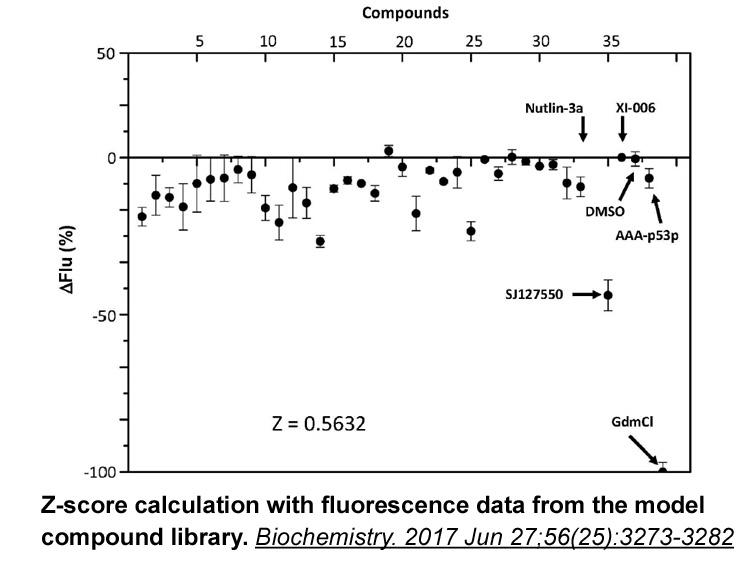
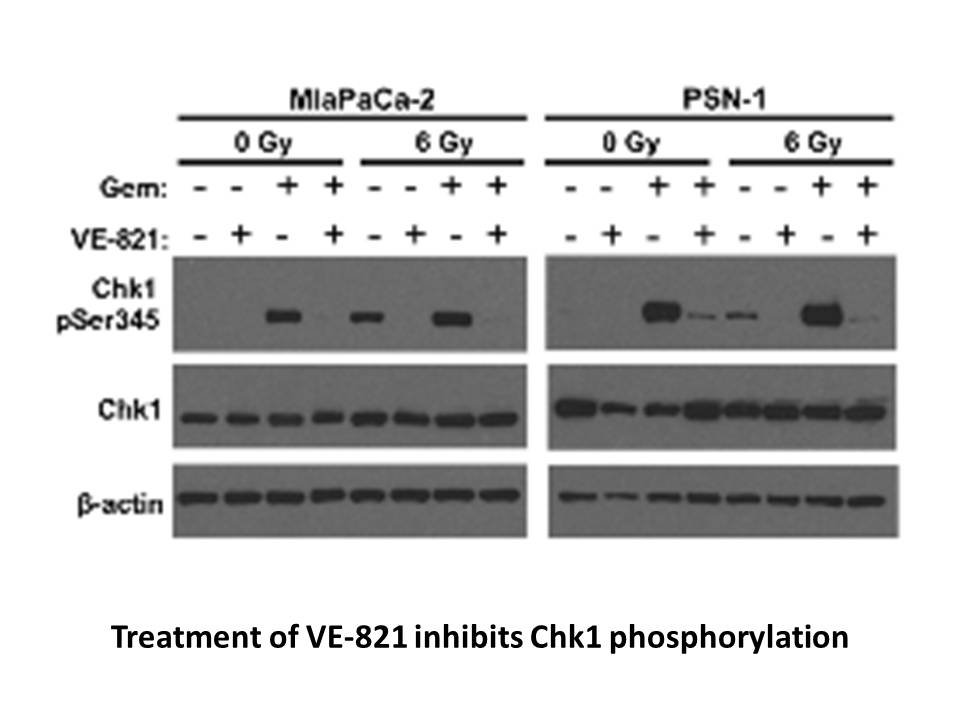
Although TP53 status has been shown to play a role in ATR inhibition and platinum resistance [7], [27], [38], in inhibition of ATM and sensitivity to IR [39], and in the activation of Chk1 and Chk2 [3], [4], ATM and ATR signaling can occur through the p38MAPK/MK2 pathway in p53-deficient LDE225 rece
-
ARG I is one of
2024-04-23
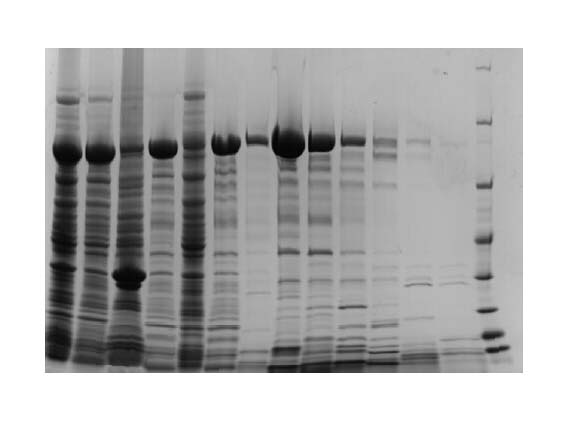
ARG I is one of the most important mammalian enzymes responsible for nitrogen metabolism since it comprises the main route for the elimination of excess nitrogen resulting from amino AICAR phosphate mg and nucleotide metabolism [18]. ARG I deficiency leads to hyperargininemia, characterized by prog
-
Coincident with APJ receptor several cell types in the
2024-04-23
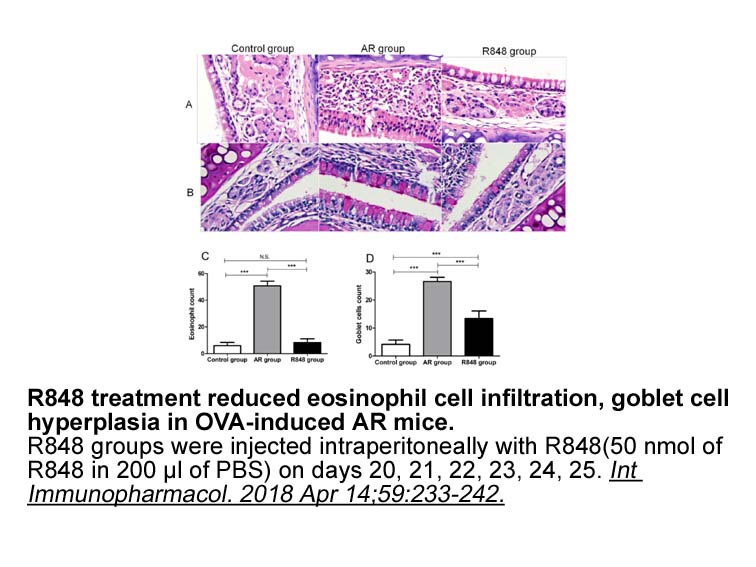
Coincident with APJ receptor, several cell types in the body can synthesize apelin protein. For example, the highest apelin concentrations in the body have been found in the rat central nervous system, pituitary gland, lungs, cardiac muscle, gastrointestinal tract and mammary glands, with lower valu
-
br Materials and methods br Results br Discussion The
2024-04-23

Materials and methods Results Discussion The novel and central finding of the current study is that endothelial 12/15-LO rather than the monocytic/macrophagic 12/15-LO has a critical role in hyperglycemia-induced leukocyte adhesion and retinal endothelial barrier dysfunction. The following
-
Inflammatory factors released by activated cells during AD a
2024-04-23
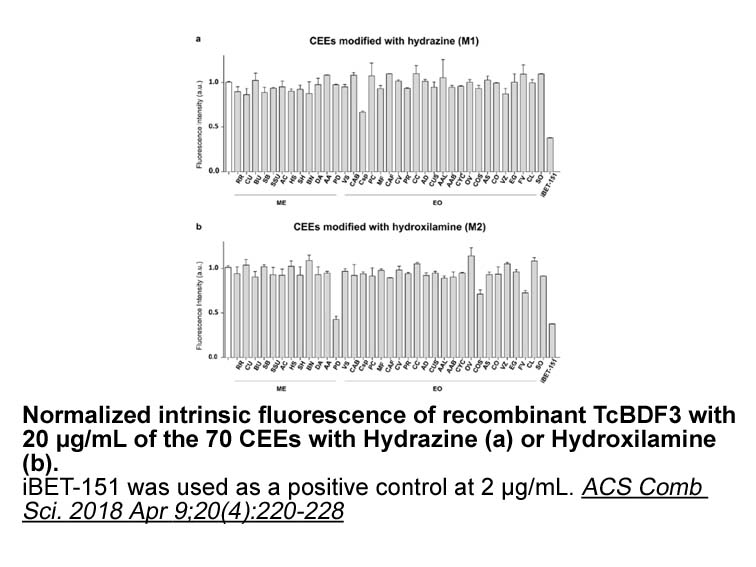
Inflammatory factors released by activated cells during AD are very important for the disease progression. Not only several inflammatory cytokines, such as IL-1β, IL-18, and IL-33, but also anti-inflammatory ones, as IL-10 and IL-13, are upregulated in the brain of AD patients (Morimoto et al., 2011
-
br Downstream signalling of AKT A consensus phosphorylation
2024-04-23
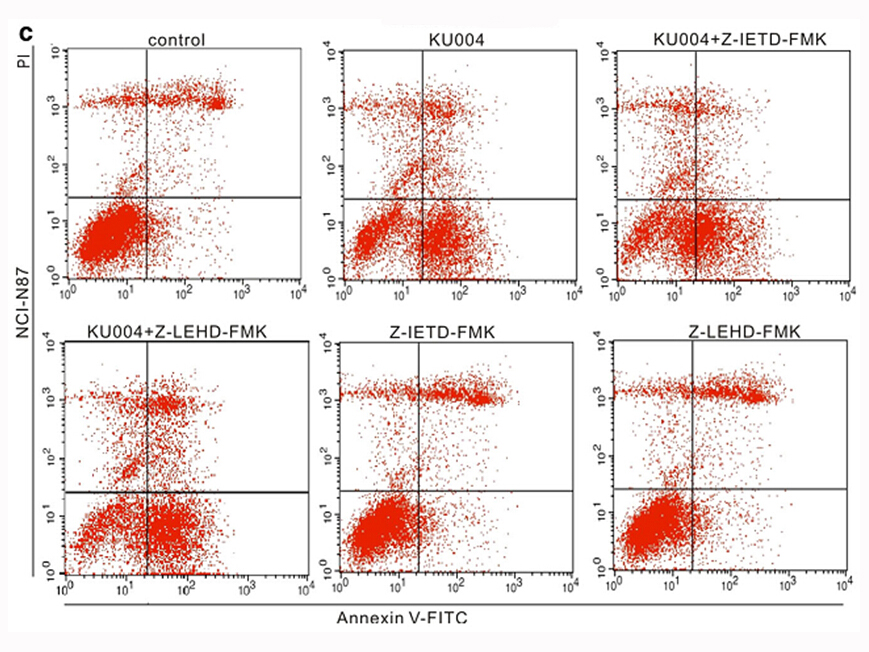
Downstream signalling of AKT A consensus phosphorylation motif has been described for AKT substrates: R-X-R-X-X-S/T-B where X represents any amino L-745,870 trihydrochloride sale and B represents bulky hydrophobic residues (Alessi, Caudwell, Andjelkovic, Hemmings, & Cohen, 1996). Numerous AKT su
-
The present work has implications for our thinking
2024-04-23
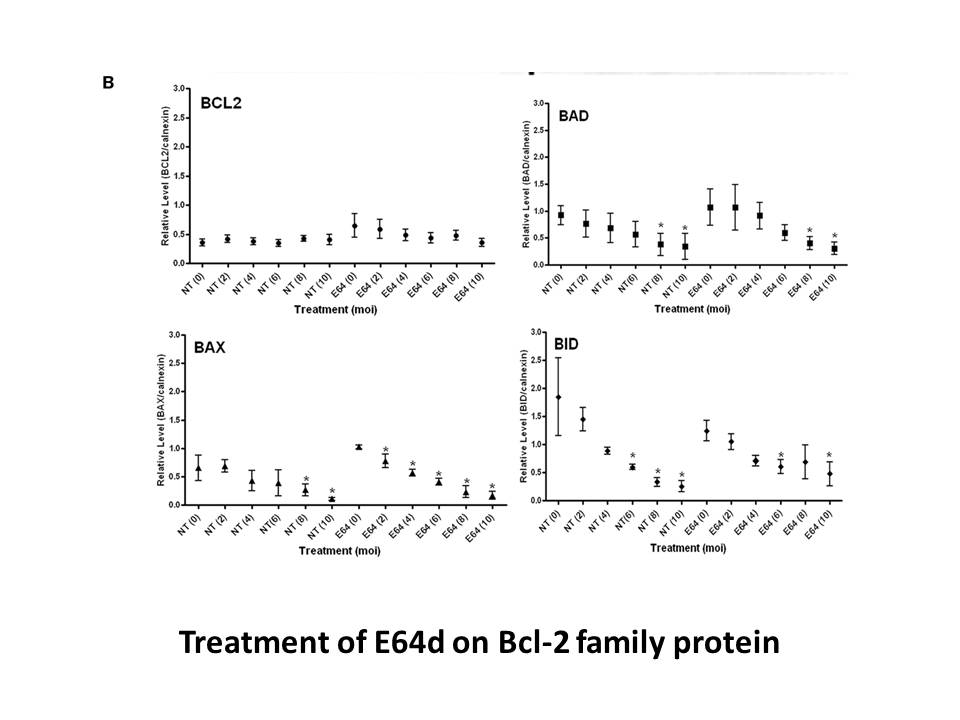
The present work has implications for our thinking about the effects of antidepressant (e.g. SSRIs) use on maternal care in depressed mothers which consist of approximately 10–20% of all mothers (Gjerdingen and Yawn, 2007, Susser et al., 2016), and more than 40% of depressed mothers are prescribed w
16366 records 189/1092 page Previous Next First page 上5页 186187188189190 下5页 Last page